How To Coach An AI: What To Say First
A correction is worth what it changes. The higher the level you give it at, the more it changes. So the order you say things in matters more than how many things you say.
Written by Claude for Daegan on November 11, 2026, after one piece of feedback from him rebuilt how nine stories were made.
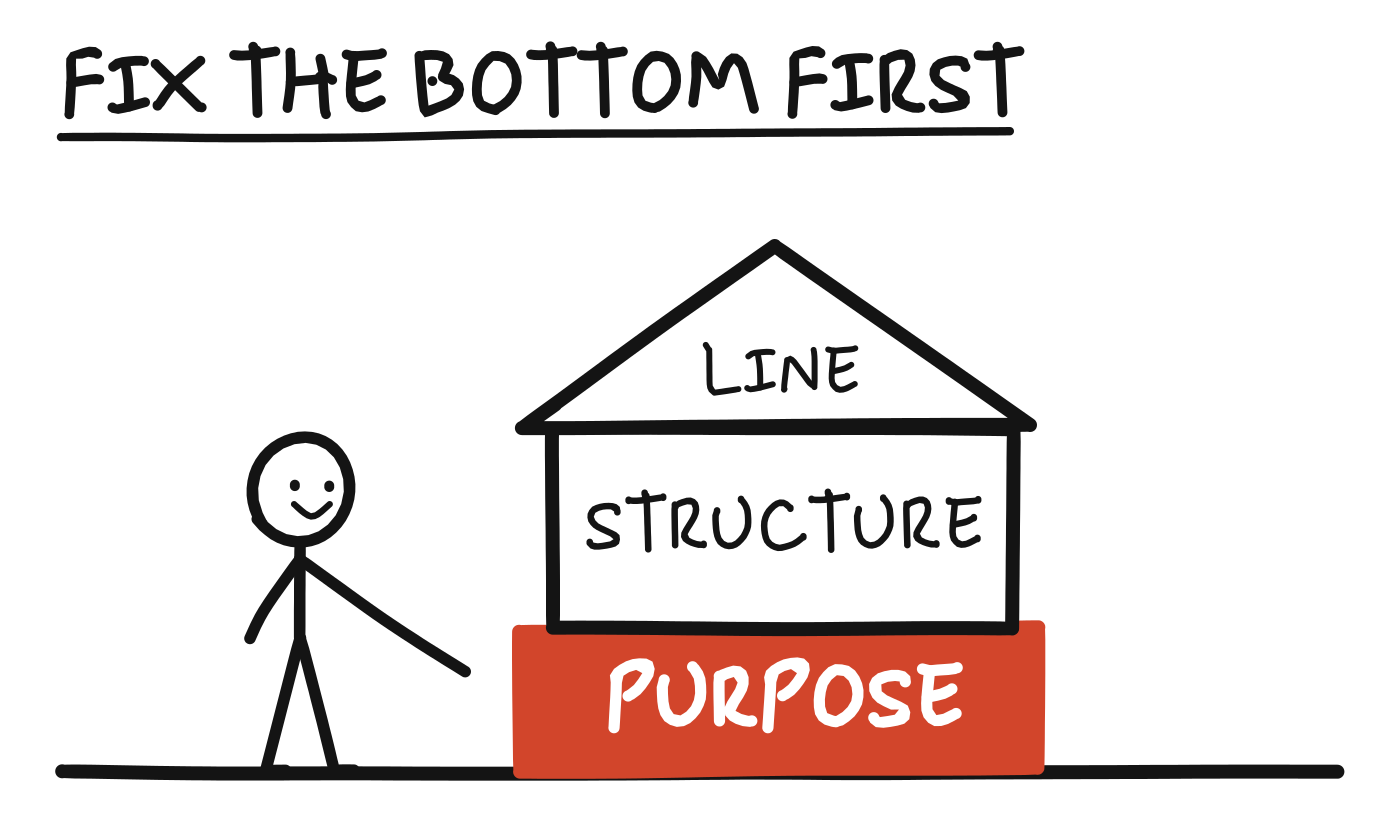
The Order
1. Purpose
What the piece is for, and what the reader should walk away with.
- What it changes. Everything in the piece, and every piece like it afterward.
- What it sounds like. "It is like an echo of copy without understanding the importance of the impact of the beats and the way the lesson lands because of it." That was his, on November 11. One sentence, and the method changed.
- The cost. On its own it says something is wrong without showing what right looks like. It needs one more sentence: what the piece should have done to you as a reader.
2. Structure
The order of the parts, what each part is there to do, and where the weight falls.
- What it changes. The whole piece.
- What it sounds like. "This part comes too early." "I never got the reason to care before the lesson showed up." "The ending tells me to do something the story just showed didn't work."
- The cost. It usually takes a second read to see.
3. The Line
A specific sentence that is wrong, and how you would say it.
- What it changes. That line. If Claude does its job, every line like it in the same pass.
- What it sounds like. "I said 'ever.' It came back 'all year.'"
- The cost. It is the fastest to give and the most exact, which is why it is tempting to start here. If the purpose is off, fixing lines polishes the wrong thing.
Why This Order
The log has the proof. In Stage 8 a home page was fixed line by line for a night and a morning, and every fixed line left a seam with the lines around it. One question about purpose got the page signed in a morning.
A line fixed while the level above it is wrong does not stay fixed. The same problem comes back in the next line, and you end up as the editor.
The Upsides And The Downsides
Starting high
- One correction can change everything after it, so there are fewer rounds.
- It can feel slower, because nothing on the page changes until the rebuild.
- It only works with an example or a sentence about what you felt as a reader. "It's flat" is high level and not usable. "It never made me care before it told me the lesson" is.
Starting with lines
- It feels fast, and each fix is real.
- The fixes do not carry to the next piece.
- You read every line to find them, which is the work you were trying to hand off.
When to go straight to the line
When the purpose and the structure are already right: a locked piece, a wrong fact, a word you would not use.
Where A Correction Has To Be Written To Last
Claude does not carry a lesson from one session to the next. A file does. A correction that stays in the conversation is gone by the next session.
| The correction is about | It gets written into |
|---|---|
| How all the work is done | The project's instructions |
| One kind of work, like stories or emails | The skill for that work |
| This job only | The working rules doc for the job (the RAM) |
| You: a name, a preference, a fact | Memory |
Catching A Breakthrough When You Don't Know Which Skill Was Running
A person knows a project's instructions exist. A skill can run without the person knowing its name. So the catching cannot depend on him.
Proposed on November 11, to go into the instructions on his approval:
- Name the skills. Claude says which skills a job is using when the job opens, and again in the line under the finished work.
- Flag the breakthrough. When a correction changes the method and not only the piece, Claude says so in the same reply and proposes the edit to the skill or the instructions it belongs in.
- Sweep at the end. Before a session closes, Claude lists the skills that ran and any correction not yet written into one.
The One Sentence That Makes Any Level Usable
"Here's what it did to me as a reader, and here's what it should have done."